🟠 Equipment & Penetration Focus • Aerial Inspection
O'Reilly
O'Reilly
Auto Parts
📍 2400 E Whitestone Blvd, Cedar Park, TX 78613
293
Report ID
16
Images
TPO
Single-Ply
2
Primary RTUs
📋 Report Summary
Overall ConditionFAIR — Equipment Concerns
Primary Risk🟠 RTU Penetrations & Condensate
Inspection DateApril 2026
Report IDAPAK-293
Roof SystemLow-Slope White TPO/PVC
Zone-Based Management Analysis
Orange Zone Priority🟠 RTU Equipment Zone (Orange)
Focus: YORK RTU #1 — unsecured access panel, corrosion, moisture staining.
Defect: Open access panel exposing internal components. Early rust at fasteners and seams.
Risk: Water intrusion into HVAC cabinet. Electrical damage potential.
Defect: Open access panel exposing internal components. Early rust at fasteners and seams.
Risk: Water intrusion into HVAC cabinet. Electrical damage potential.
🟠 Penetration Zone (Orange)
Focus: Condensate drain assembly adjacent to RTU.
Defect: Deteriorated pipe insulation, aged sealant at roof penetration, dark moisture staining.
Risk: Potential water intrusion point. Clogging risk from open pipe termination.
Defect: Deteriorated pipe insulation, aged sealant at roof penetration, dark moisture staining.
Risk: Potential water intrusion point. Clogging risk from open pipe termination.
🟡 RTU #2 & Field Area (Yellow)
Focus: Second YORK RTU and surrounding membrane field.
Defect: Uninsulated condensate line. Standard unit aging. Walk pads intact.
Risk: Lower immediate risk. Monitor during routine maintenance.
Defect: Uninsulated condensate line. Standard unit aging. Walk pads intact.
Risk: Lower immediate risk. Monitor during routine maintenance.
🟢 General Roof Field (Green)
Focus: Remaining membrane field away from equipment.
Condition: Generally clean. No major defects visible from aerial perspective. Minor dirt accumulation and maintenance traffic wear.
Condition: Generally clean. No major defects visible from aerial perspective. Minor dirt accumulation and maintenance traffic wear.
📌 Inspector Note — Lifecycle Strategy: The roof membrane itself is in serviceable condition. The risk on this roof is concentrated entirely around the mechanical equipment and penetrations. By addressing the RTU panel, condensate drain, and penetration sealant now, you eliminate the primary failure points. The field membrane should be monitored but does not require immediate intervention.
Membrane Condition
Generally Serviceable Generally intact — minor dirt accumulation and wear
Heat-welded seams appear intact from aerial perspective
No obvious tears, punctures, or blistering visible
Detailed Observations: The white single-ply membrane (likely TPO or PVC) is clean across the majority of the roof field. Seam lines run horizontally and vertically and appear continuous. Physical probing required to confirm full adhesion. Walk pads around both RTUs are properly positioned and protect the membrane effectively.
RTU #1 — Unsecured Access Panel
HIGH RISKDefect TypeOpen/unsecured service panel
Exposed ComponentsRefrigerant piping, wiring, cabinet interior
CorrosionEarly rust at screw heads, seams, frame edges
Curb StainingDark staining around RTU curb perimeter
🟠 Immediate Concern: The left-side access panel on the YORK RTU is open or unsecured, exposing internal components directly to weather. This creates a direct pathway for water intrusion into the equipment cabinet. Surface oxidation is already visible at fasteners and metal seams. Dark staining around the curb suggests recurring moisture retention — possibly from condensate discharge or drainage issues around the unit base.
Condensate Drain & Penetration Detail
DETERIORATEDPipe InsulationCracking, flaking, UV-degraded
Penetration SealantAged, excessive application, possible failure
Pipe TerminationOpen vertical pipe — debris entry risk
Moisture EvidenceDark staining and biological growth at base
💧 Penetration Risk: The PVC condensate drain assembly shows significant weathering. Foam insulation is cracking and falling off, leaving pipe exposed. Sealant/mastic around the roof penetration appears aged and may no longer be watertight. The open vertical pipe termination allows debris entry that could cause clogging and overflow onto the roof membrane. Staining and mildew/algae growth at the penetration base confirm chronic moisture exposure.
RTU #2 — Equipment Condition
MONITOR Standard weathering — no severe rust or panel damage
Condensate line lacks insulation (unlike RTU #1)
Walk pads properly routed to access panels
RTU #2 Assessment: The second YORK unit is in better condition than RTU #1. The cabinet shows standard aging but no open panels or significant corrosion. However, the PVC condensate line on this unit completely lacks insulation — unlike the partially-insulated line on RTU #1. This should be addressed during the same service visit. The metal privacy/wind screen adjacent to the unit is securely anchored. Parapet wall metal coping appears intact in the background.
Drainage Performance
FunctionalDrainage Assessment: The roof appears to drain adequately under normal conditions. No ponding water was observed. The primary drainage concern is localized moisture from condensate discharge around the RTU curb areas — not a roof-wide drainage failure. Verify positive drainage after rainfall and ensure condensate lines are routed to proper discharge points away from the membrane.
Scope of Work — Equipment & Penetration Remediation
Priority 0-60 DaysOverall Risk Assessment
MODERATE — EQUIPMENT FOCUSEDImmediate Leak RiskMODERATE at RTU penetrations
Membrane ConditionGenerally serviceable
Overall TrajectoryStable if equipment issues addressed
Life Extension Potential5+ years with proper maintenance
Findings Summary
3 Key Issues| Severity | Issue | Location |
|---|---|---|
| High | Open/unsecured RTU access panel — exposed interior components | YORK RTU #1 |
| High | Aged/deteriorated condensate penetration sealant | Adjacent to RTU #1 |
| Medium | Moisture staining around RTU curb perimeter | Both RTU curbs |
| Medium | Corrosion at fasteners and cabinet seams | RTU #1 |
| Medium | Weathered/deteriorated pipe insulation on condensate lines | Both RTUs |
| Medium | Open vertical pipe termination — debris entry risk | Adjacent to RTU #1 |
📌 Note: The roof membrane itself is in generally serviceable condition. All identified risks are concentrated around the mechanical equipment and roof penetrations. Addressing these targeted issues now will prevent them from becoming membrane-level failures.
📸 Inspection Gallery
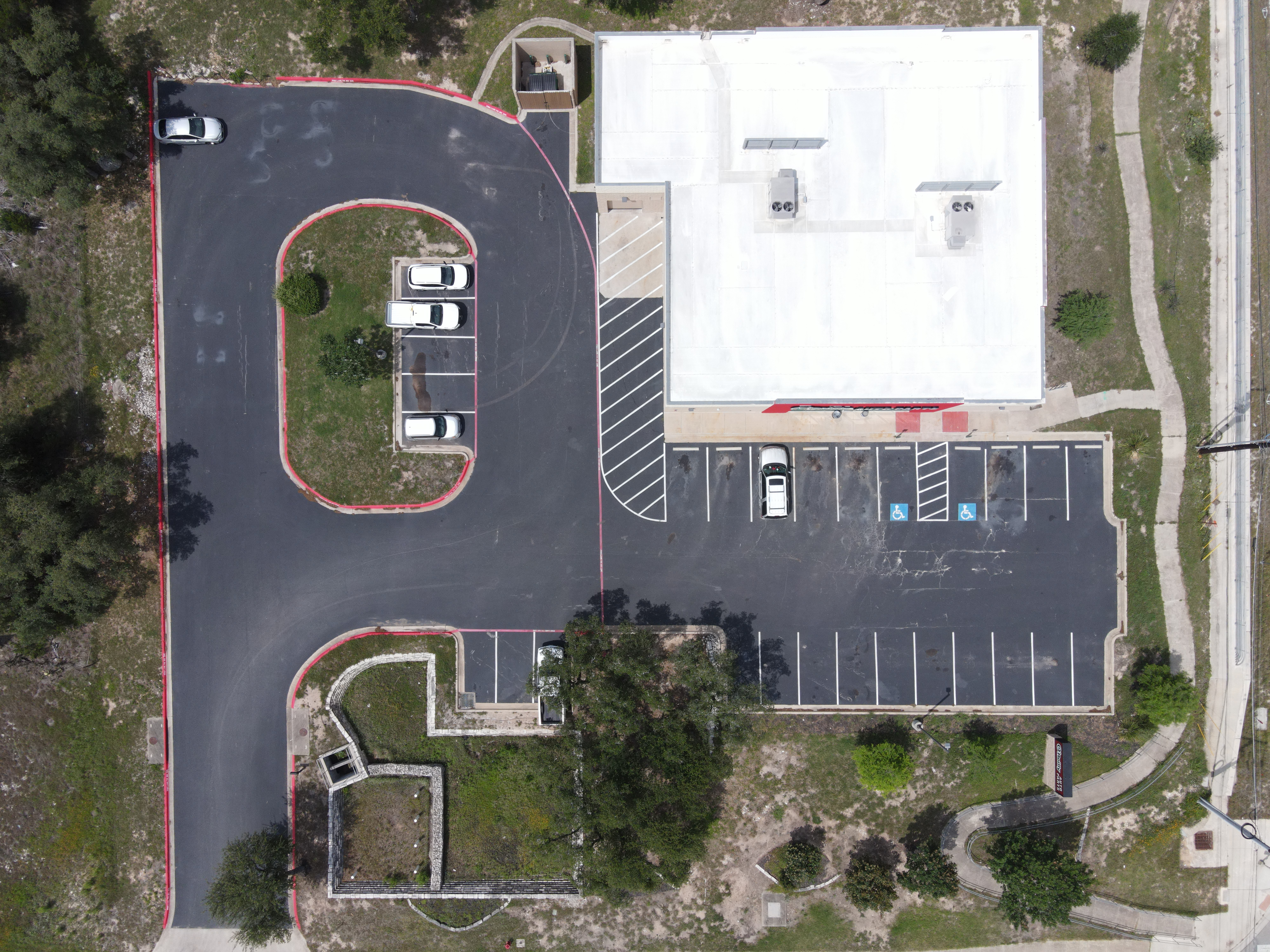
293-1 — Full Roof Overview
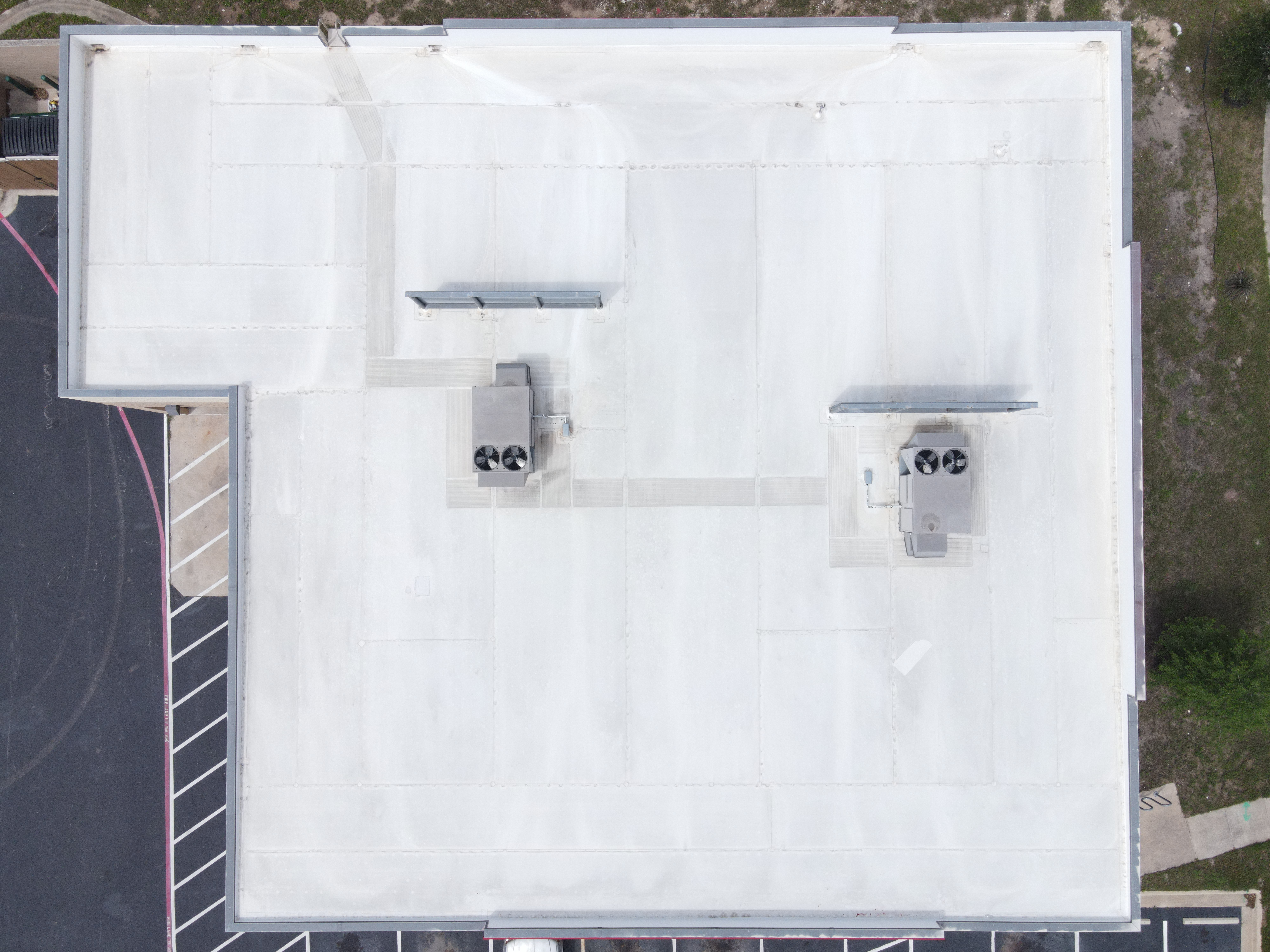
293-2 — Aerial Field View
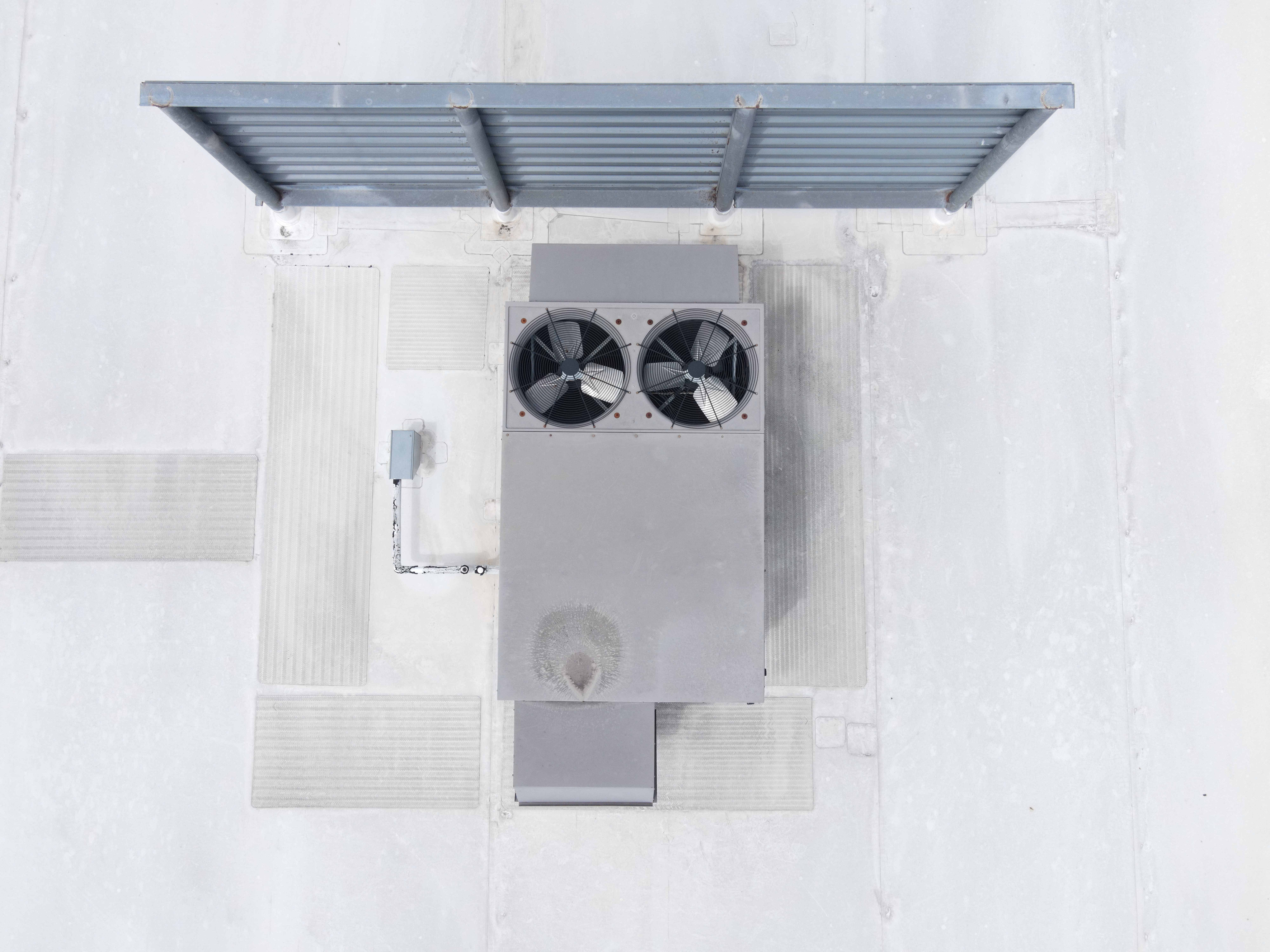
293-3 — Roof Detail
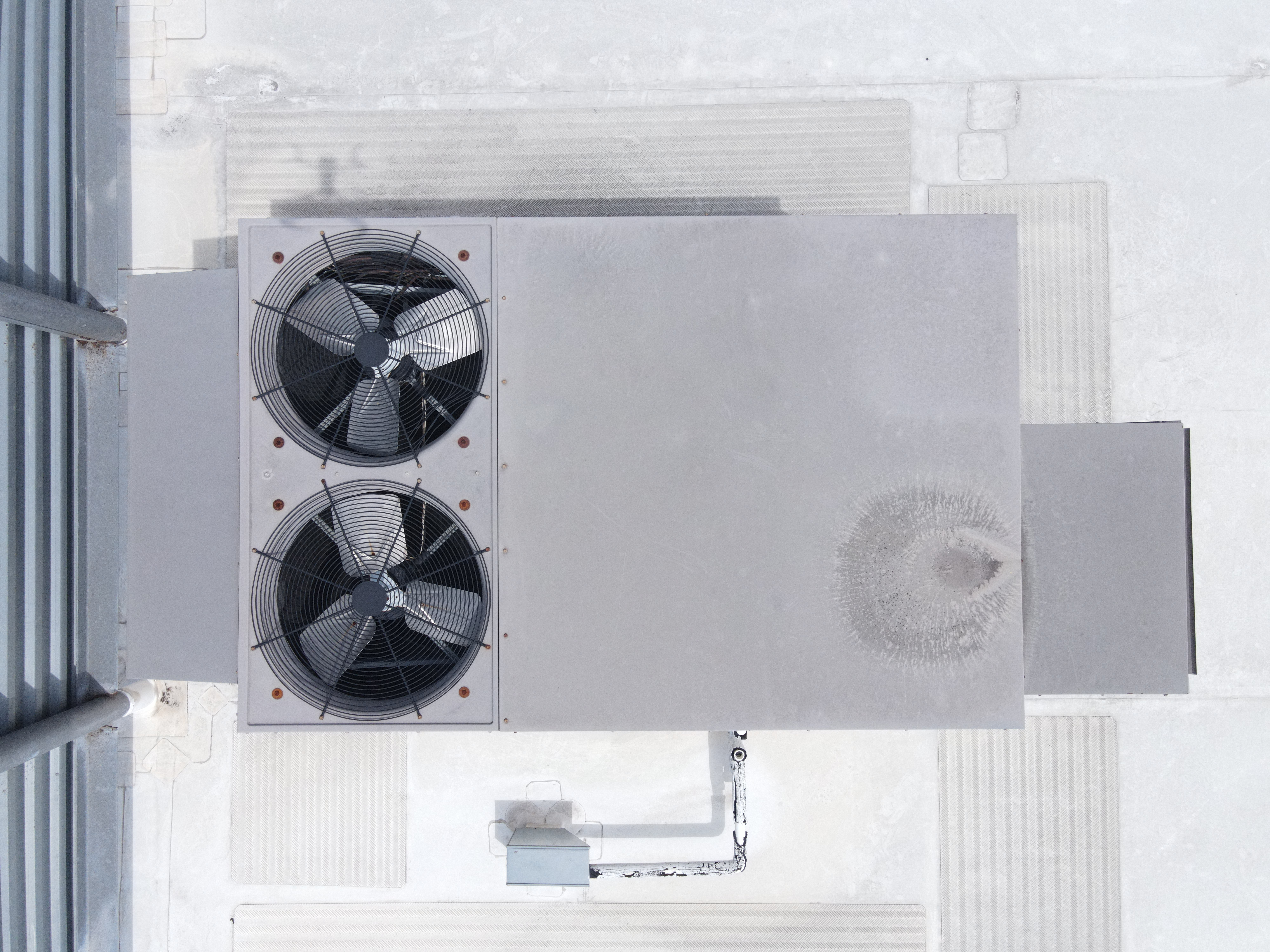
293-4 — Field Area
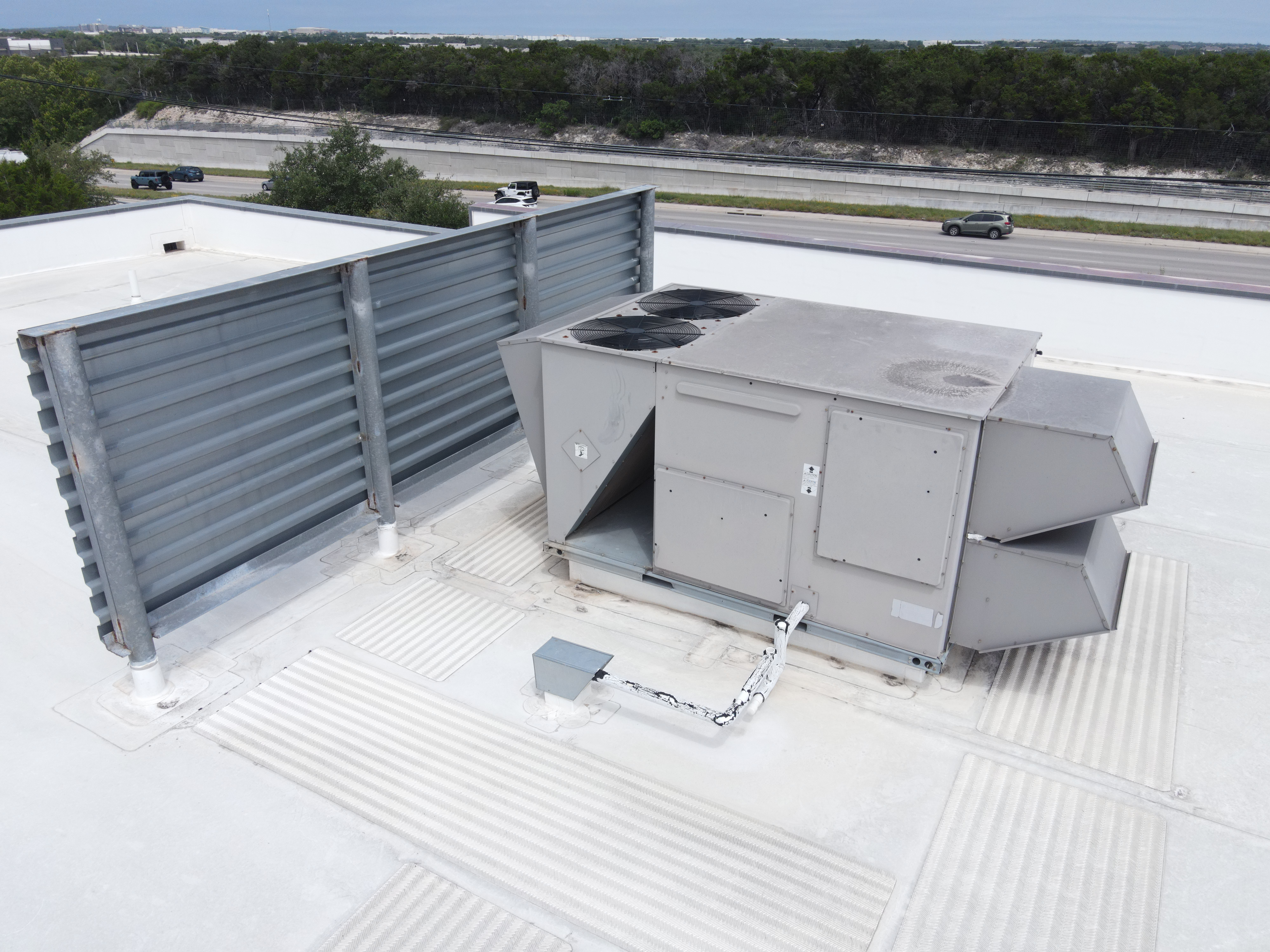
293-5 — RTU Overview
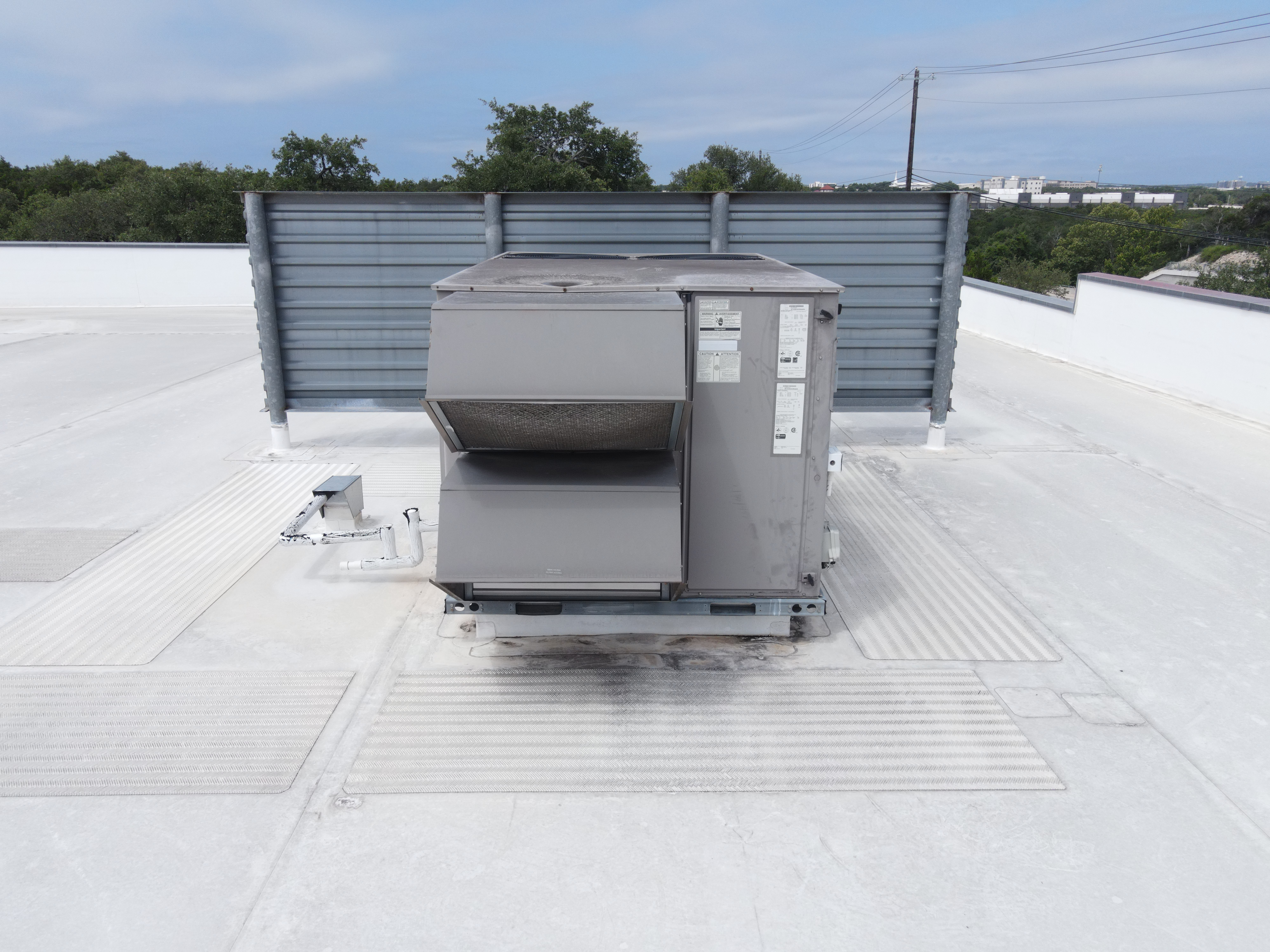
293-6 — Equipment Zone
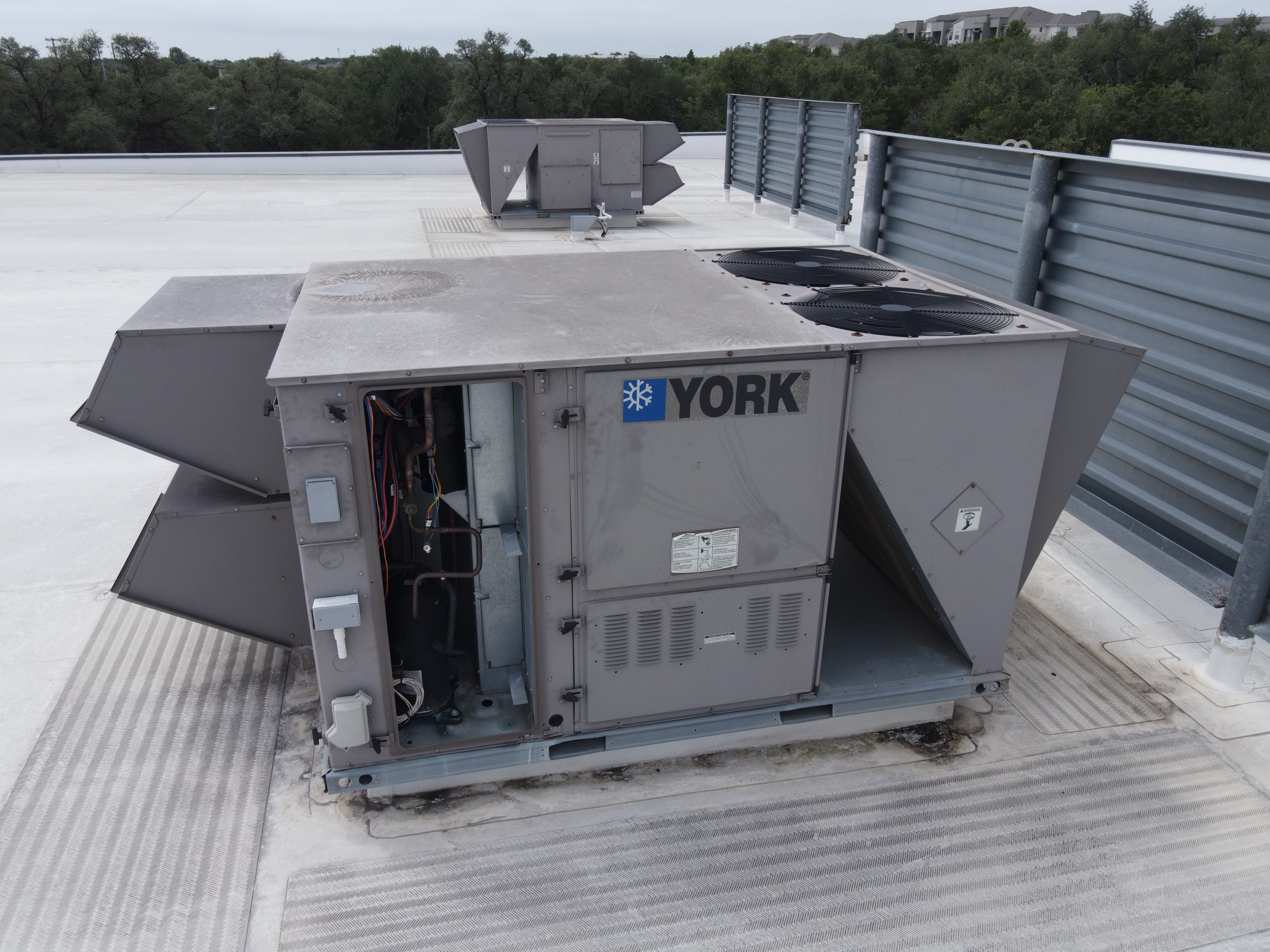
293-7 — RTU #1 Open Access Panel
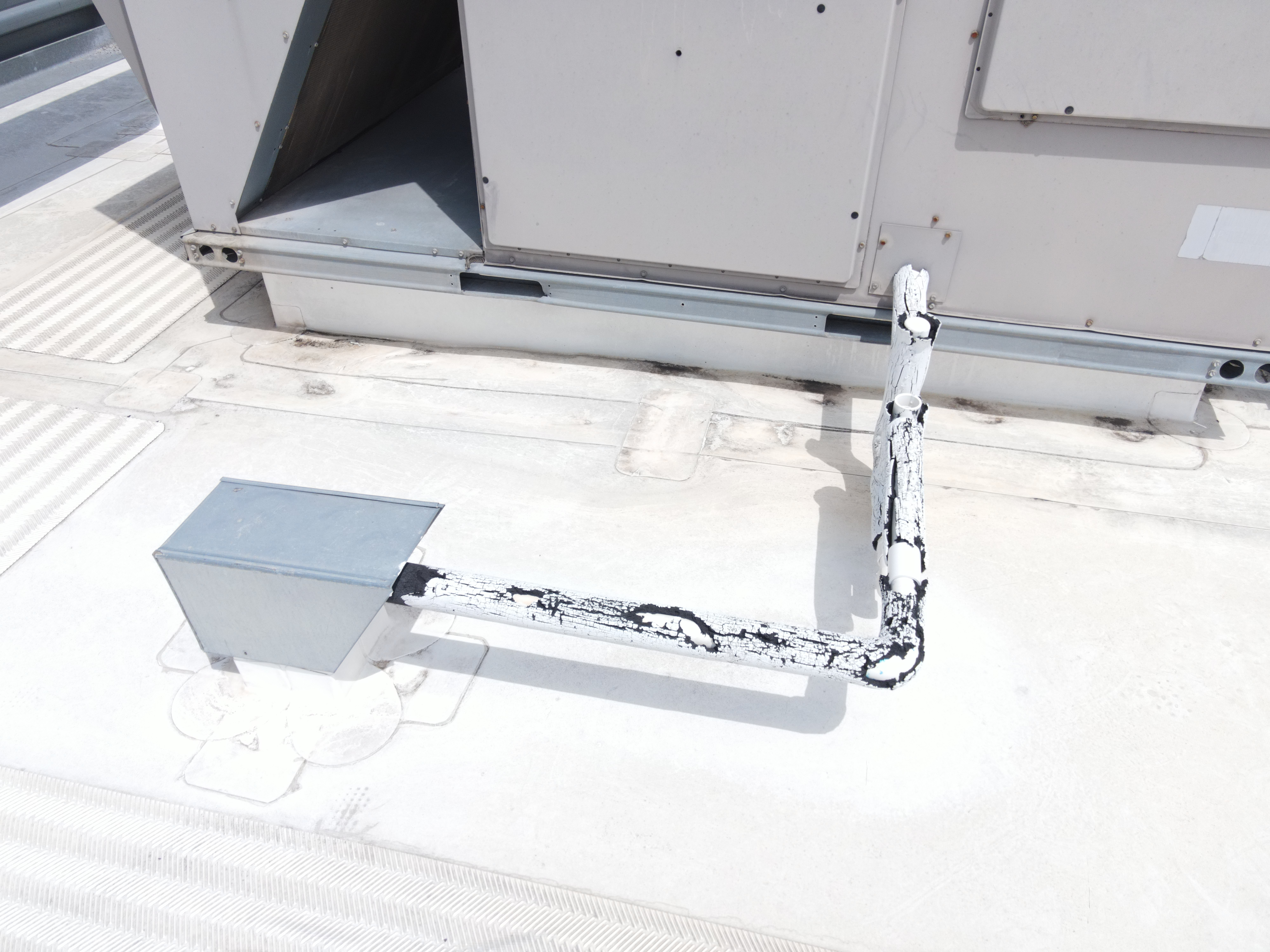
293-8 — Condensate Line Detail
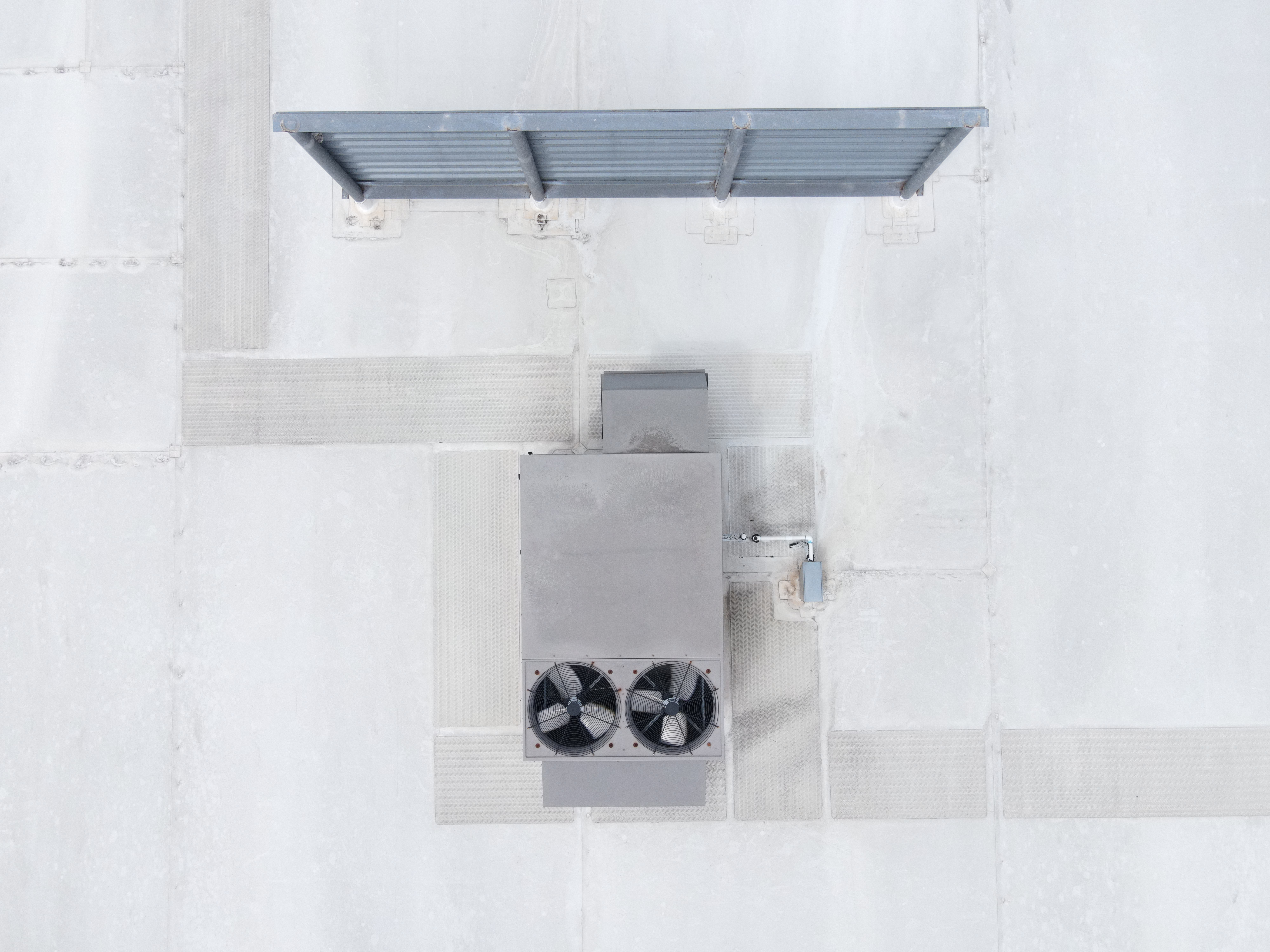
293-9 — RTU Curb Area
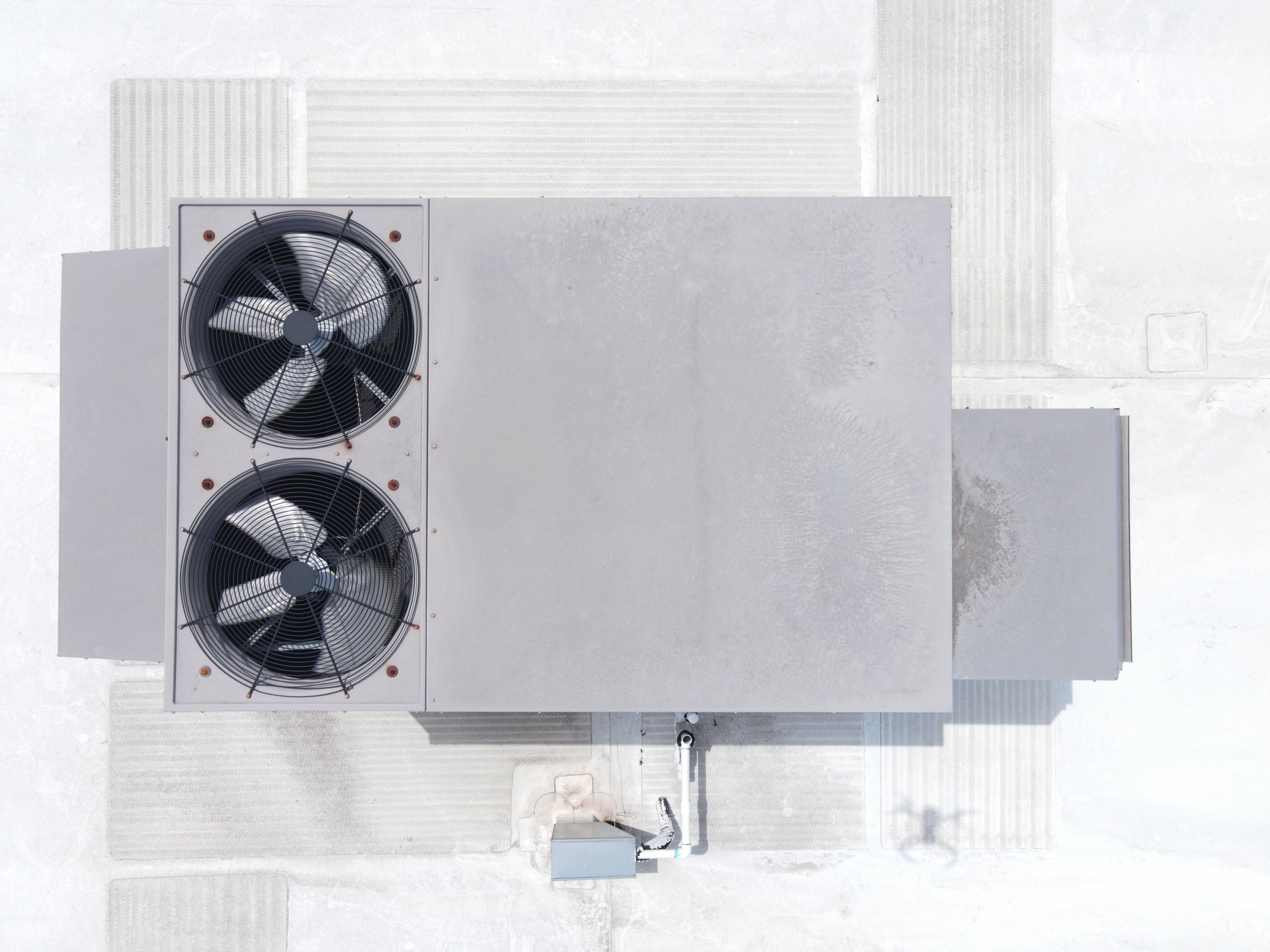
293-10 — Roof Penetration
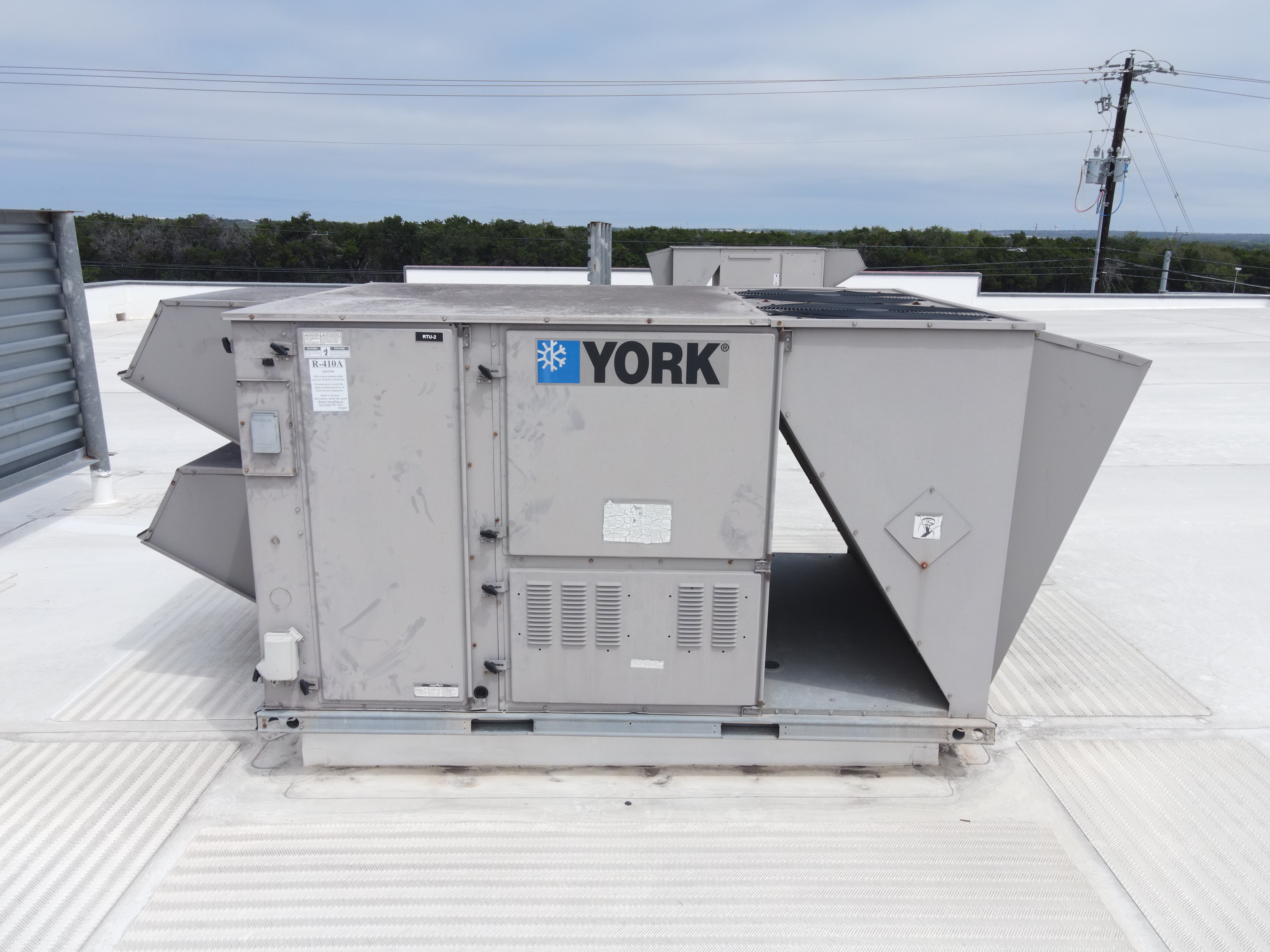
293-11 — RTU Side Elevation
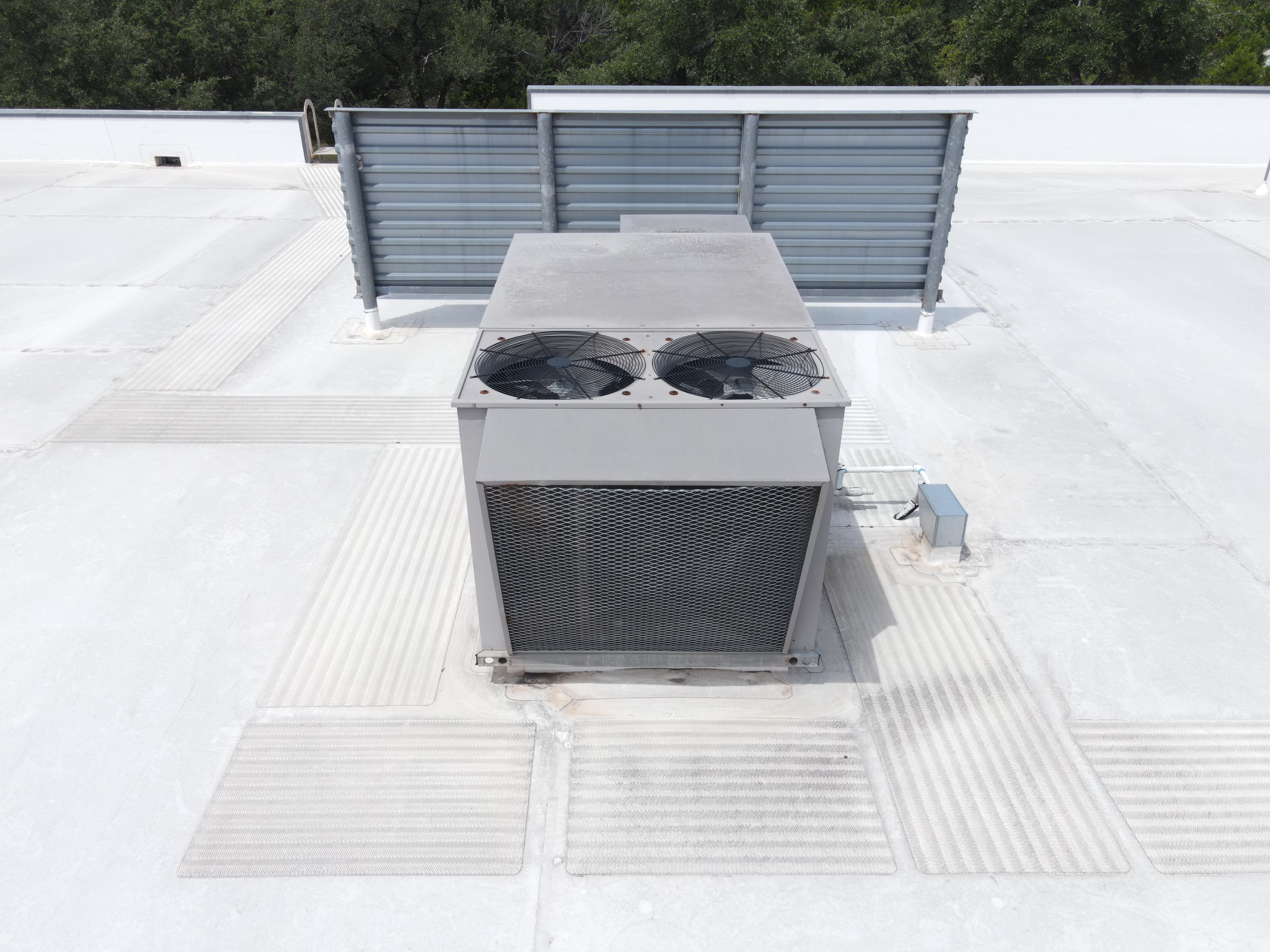
293-12 — Roof Field
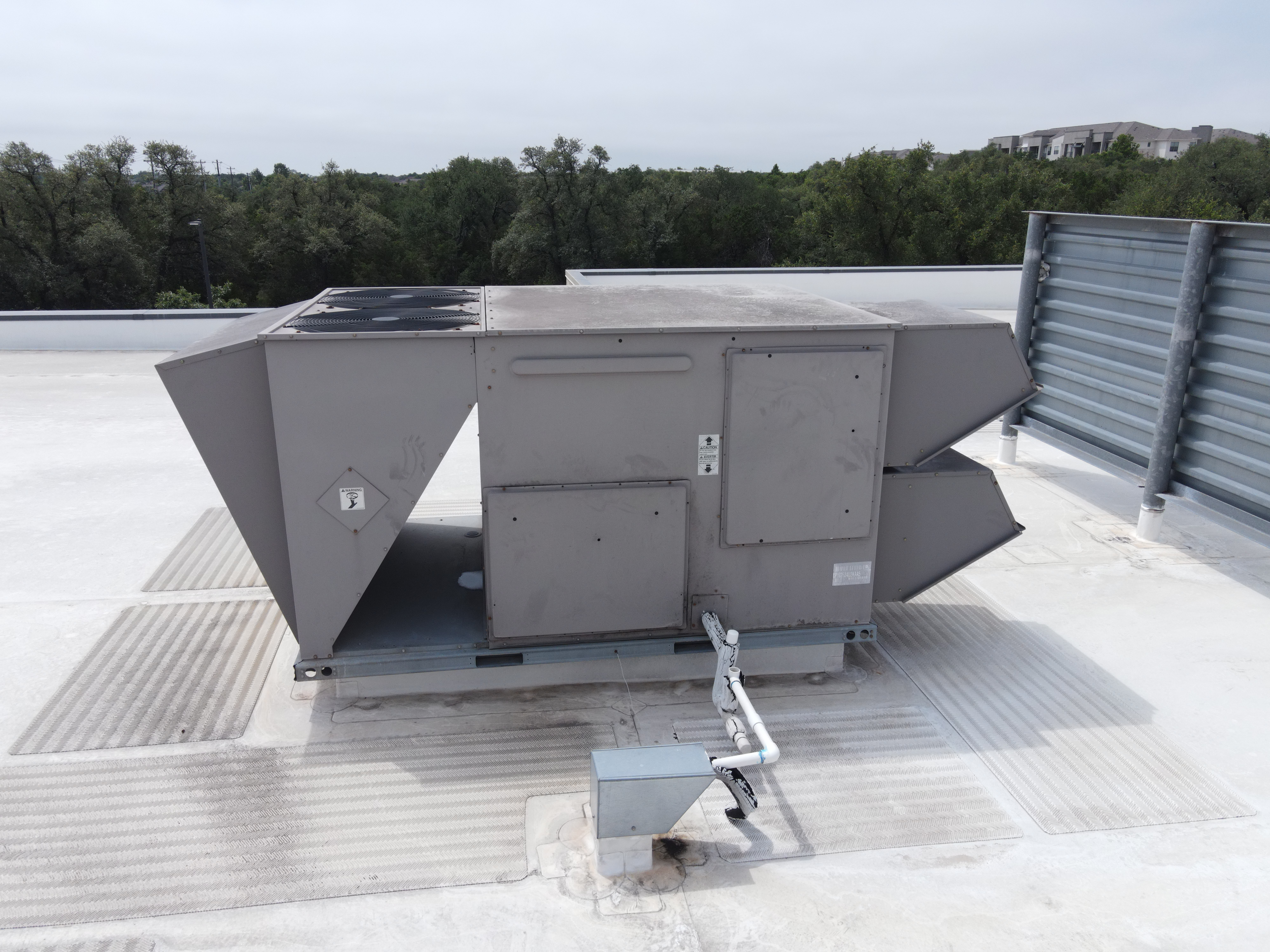
293-13 — RTU #2 Profile
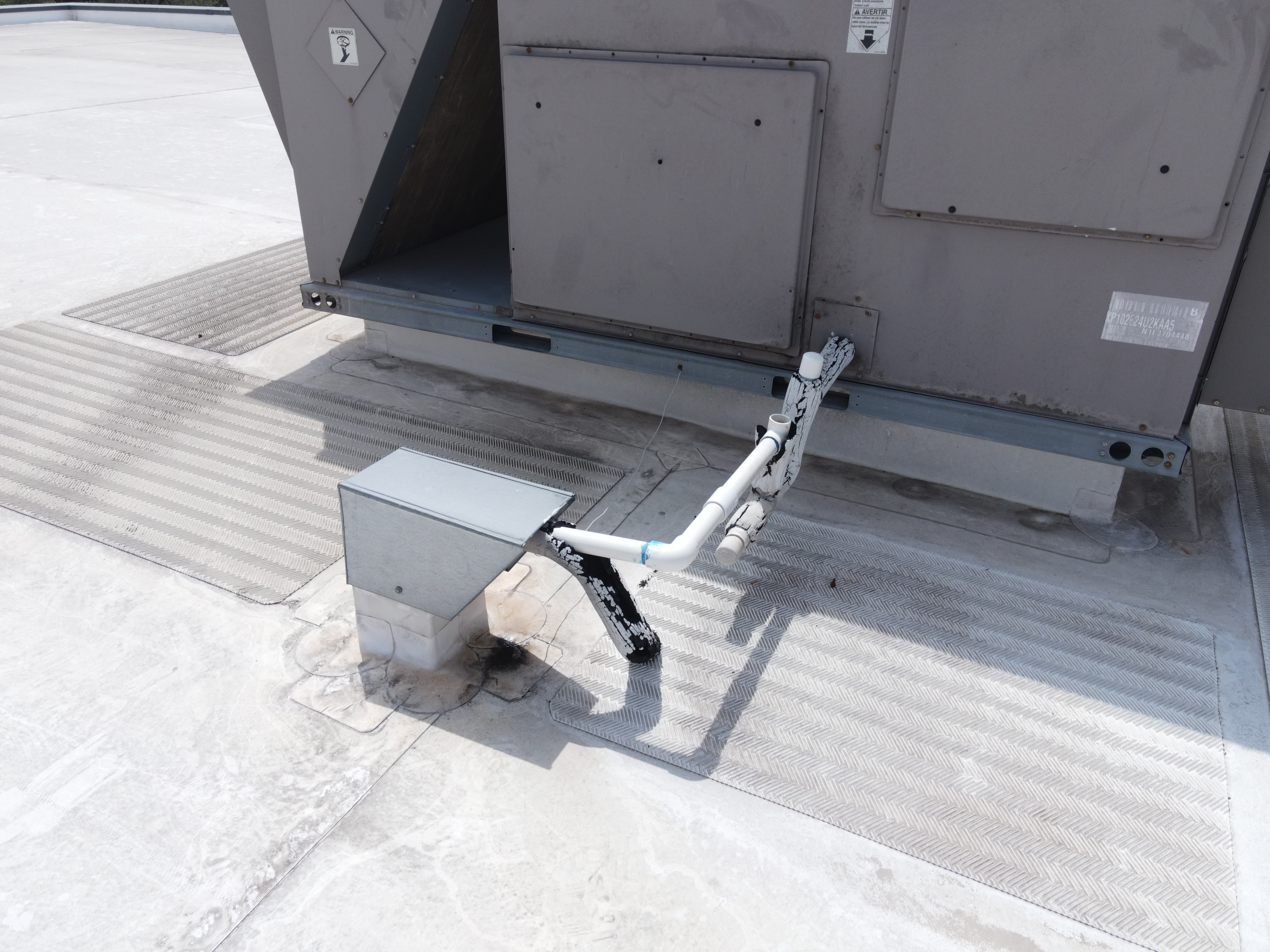
293-14 — Condensate Penetration
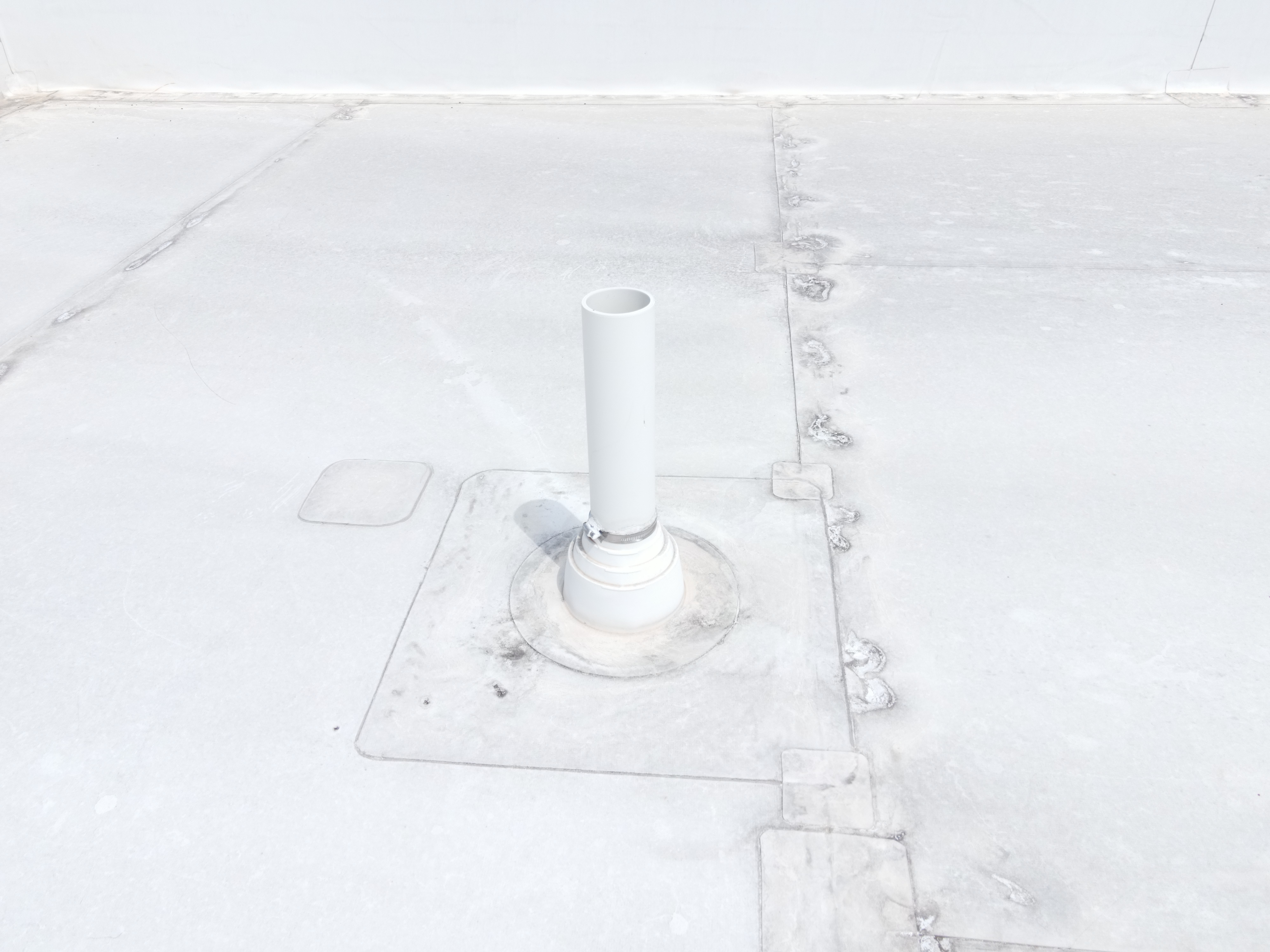
293-15 — Roof Overview
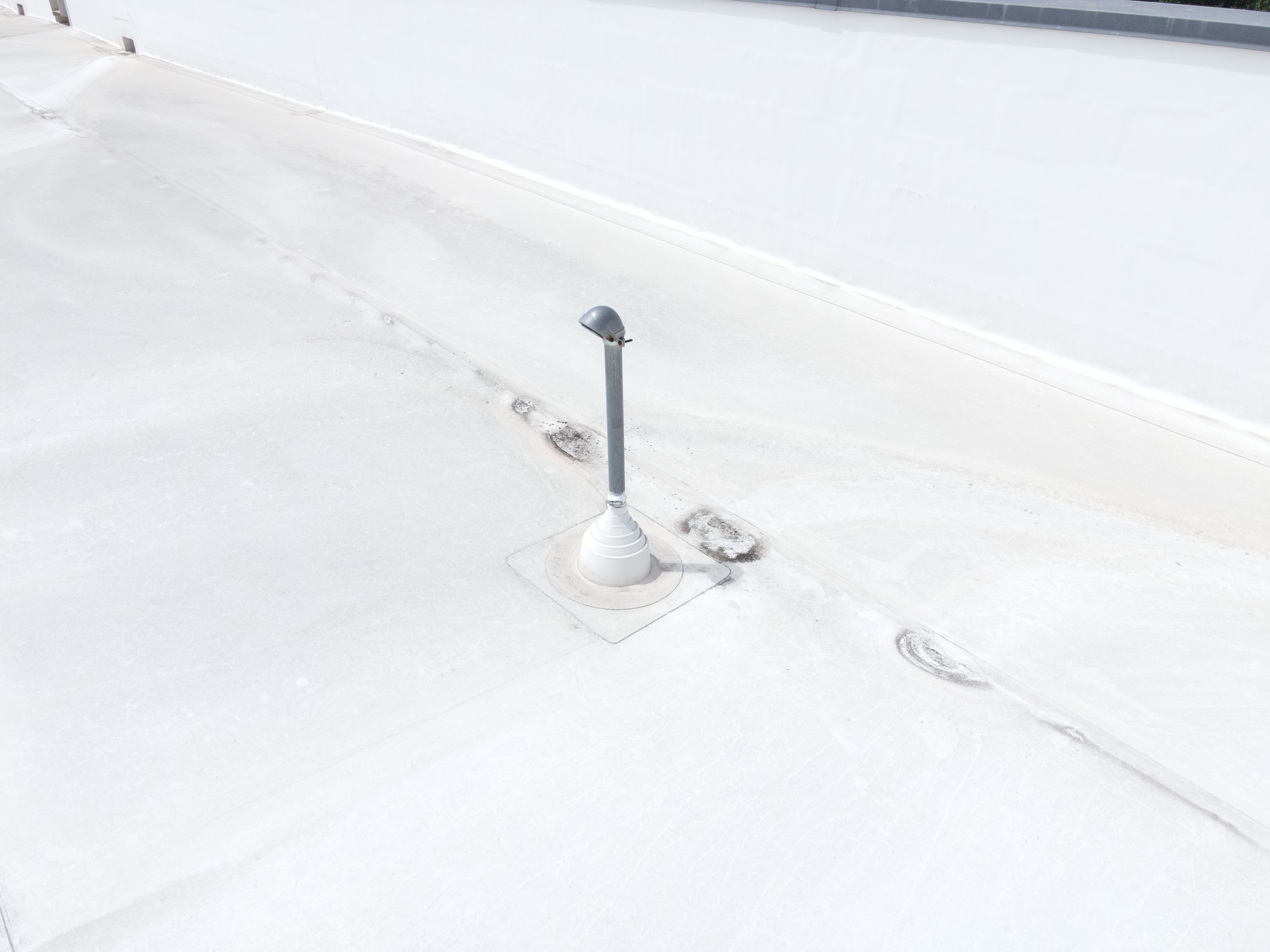
293-16 — Final Inspection View
📸 16 Inspection Images — O'Reilly Auto Parts, Cedar Park, TX
Full Resolution Files Available
The images displayed in this report are compressed for web viewing. Full resolution, unedited inspection files will be delivered separately via email or secure download link.
📸 16 Photos
📋 Full Report
🔴 IMMEDIATE (0-30 DAYS)
Secure/reinstall RTU #1 access panel
Inspect RTU #1 interior for moisture damage
Reseal condensate penetration flashing
🟠 SHORT-TERM (1-6 MONTHS)
Replace deteriorated condensate pipe insulation
Install cap/screen on open pipe termination
Treat RTU #1 surface corrosion
Full hands-on roof inspection
🟢 LONG-TERM (6-12 MONTHS)
Evaluate all rooftop penetration sealant
Schedule preventative maintenance program
Monitor membrane seams during routine service